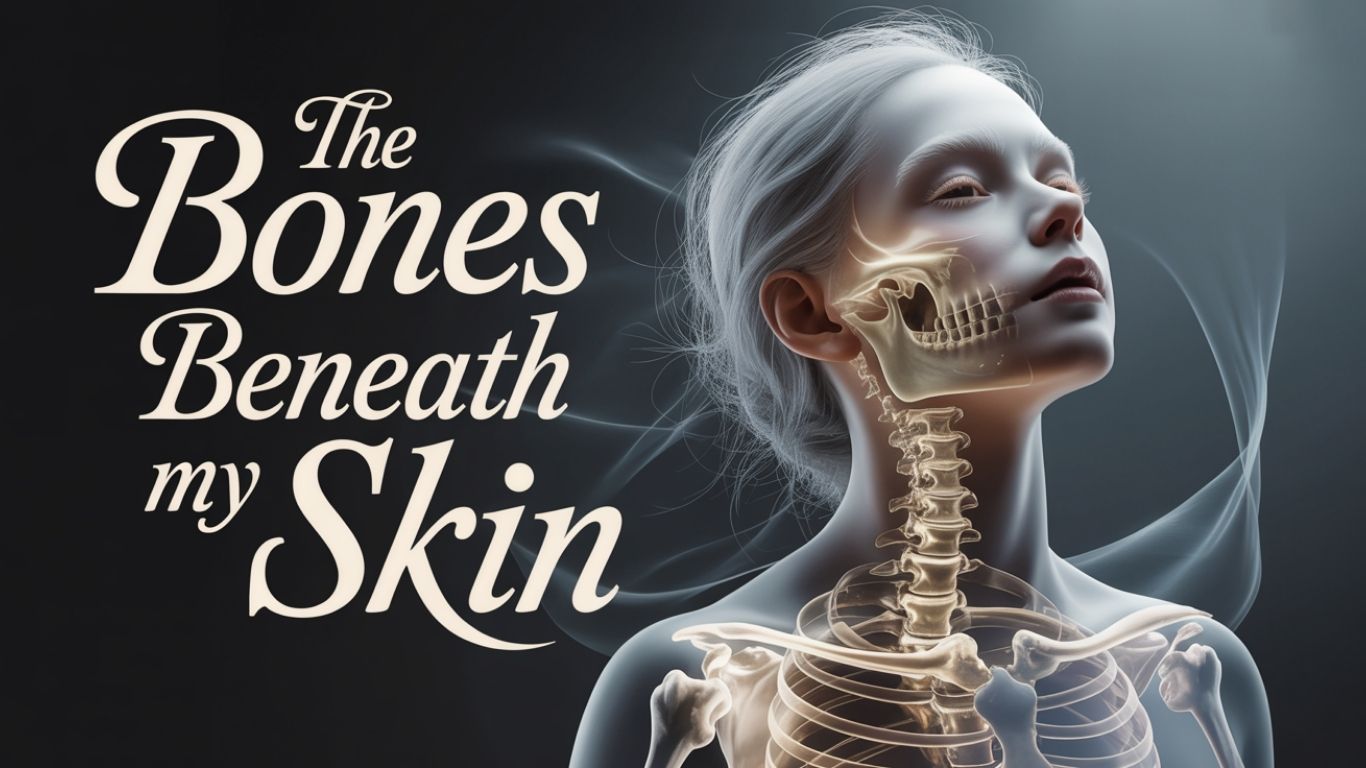

Have you ever paused and wondered what truly holds you together? Not just your routines, your job, or your relationships—but the unseen framework that lets you stand, move, and endure? When I think about the bones beneath my skin, I don’t just think of anatomy. I think of history, strength, vulnerability, and the quiet stories we all carry inside our bodies.
This phrase—the bones beneath my skin—feels deeply personal, yet universal. It speaks to what supports us when life presses hard, what breaks and heals, and how our inner structure reflects our outer lives. In many ways, our bones are like the steel beams of a building: invisible to passersby, but essential for everything above them to exist.
In this article, we’ll explore the bones beneath my skin from physical, emotional, and symbolic angles. We’ll talk about science, memory, pain, resilience, and identity—using simple language, honest reflection, and real-life meaning. So let’s peel back the surface together and look at what’s really holding us up.
The Literal Meaning of the Bones Beneath My Skin
At the most basic level, the bones beneath my skin are exactly what they sound like: the skeletal system that gives my body shape and strength. There are 206 bones in an adult human body, each with a role to play. Some protect vital organs, others allow movement, and many quietly support daily life without complaint.
We rarely think about them unless something goes wrong. A fracture, an ache, or a sharp pain suddenly reminds us that these hidden structures are always working. Bones are living tissue, always breaking down and rebuilding. That alone makes them remarkable.
But the literal meaning is just the beginning.
Bones as the Framework of Life
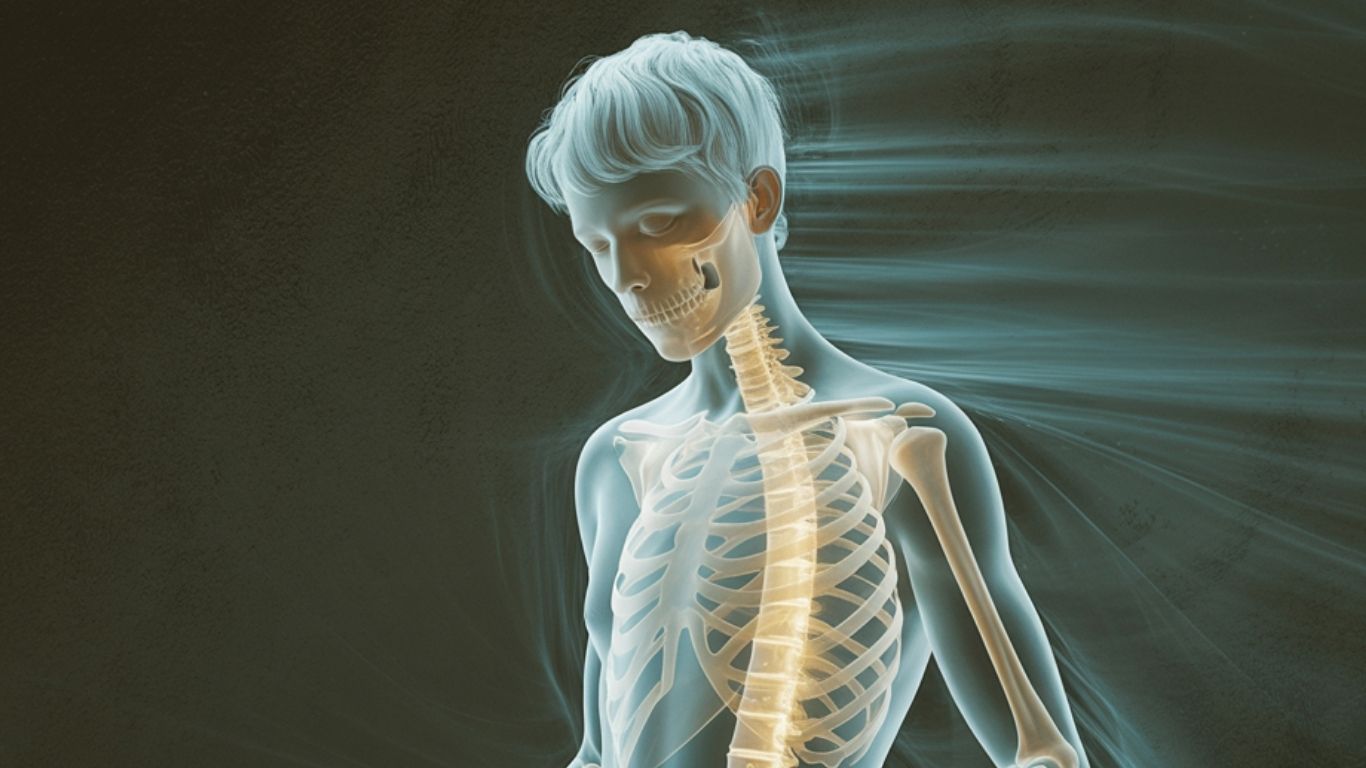
Imagine trying to hang a painting without a wall. Or drive a car without a frame. Life would collapse into chaos. That’s what the body would be without bones.
The bones beneath my skin are my personal framework. They hold me upright when I’m tired. They carry me forward when I don’t feel like moving. Without them, muscles would have nothing to pull against, and movement would be impossible.
Bones are silent partners. They don’t ask for praise, yet they do the heavy lifting—every single day.
How Bones Remember Trauma
Here’s something fascinating: bones remember.
Not in the way the brain does, but in structure and form. Past injuries, breaks, or stress can leave subtle marks. A healed fracture might be stronger in one place, weaker in another. Over time, the bones beneath my skin become a record of where I’ve been.
Even emotional trauma can affect bones. Long-term stress changes hormones like cortisol, which can weaken bone density. It’s a reminder that what we feel doesn’t just stay in our heads—it settles deep within us.
The Emotional Weight We Carry in Our Bones
Have you ever said, “I feel it in my bones”? That phrase exists for a reason.
Fatigue, grief, fear, and stress often feel physical. They sit heavy in the shoulders, the spine, the hips. The bones beneath my skin carry more than body weight—they carry emotional weight too.
When life feels overwhelming, it’s not just mental exhaustion. It’s structural. It’s as if the very framework holding us up needs rest and care.
Strength Hidden Beneath Fragility
Bones seem solid and unbreakable, but they’re also surprisingly fragile. A simple fall can cause a fracture. Yet once healed, bones often grow stronger at the site of injury.
There’s a powerful lesson here. The bones beneath my skin remind me that strength doesn’t mean never breaking. Sometimes, strength is breaking, healing, and coming back tougher than before.
Just like people.
Growth, Aging, and Changing Bones
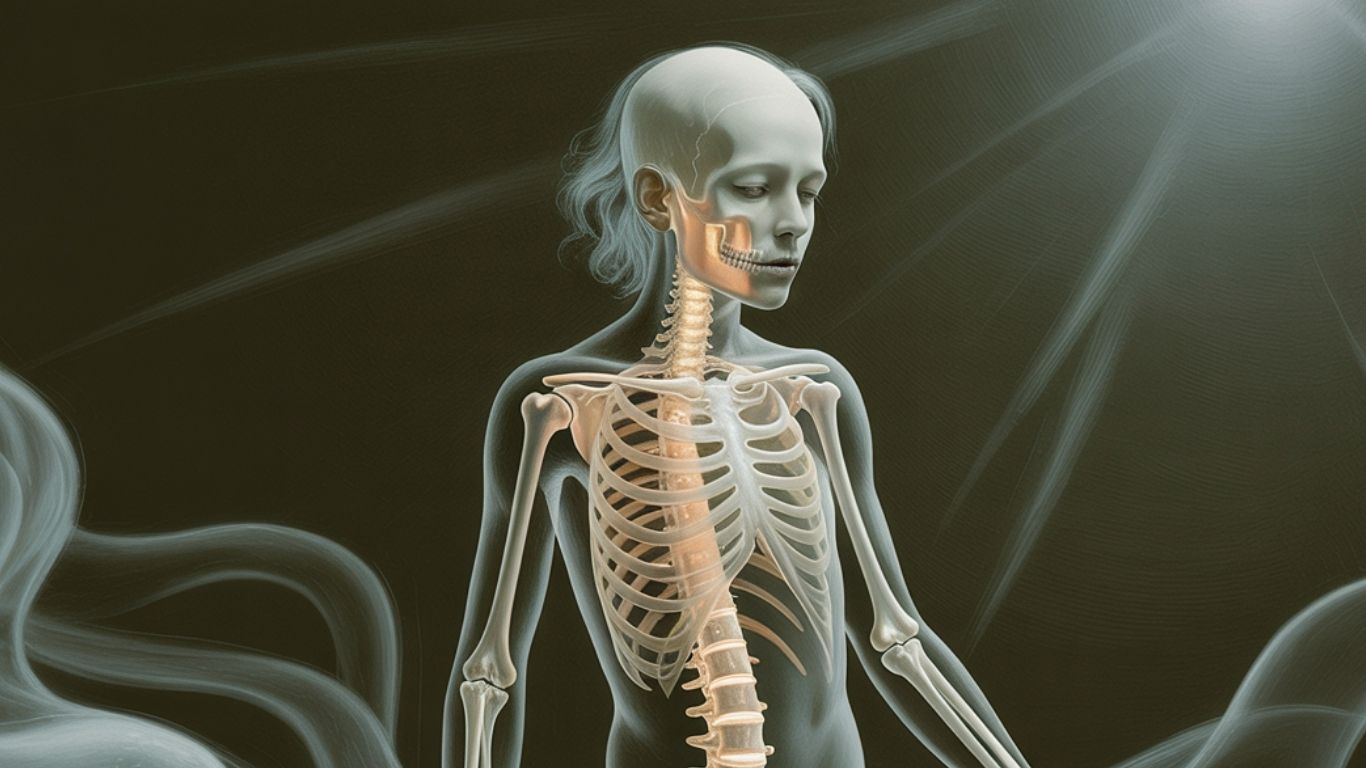
Our bones change as we age. As children, they grow rapidly. As adults, they maintain balance. Later in life, they may weaken if not cared for properly.
This mirrors life itself. The bones beneath my skin have grown with me, adapted with me, and aged alongside me. They remind me that change is natural—and that maintenance matters.
Ignoring bones doesn’t stop aging. Caring for them slows its impact.
Cultural and Symbolic Meanings of Bones
Across cultures, bones symbolize truth, essence, and permanence. Phrases like “bare bones” or “down to the bone” point to what’s real and unavoidable.
In stories and myths, bones often represent ancestry and legacy. They outlast flesh. They remain when everything else fades. In this way, the bones beneath my skin connect me to those who came before me—and those who will come after.
They are history made physical.
Pain, Injury, and the Lessons They Teach
Pain has a way of demanding attention. A bone injury stops you in your tracks. It forces rest. It teaches patience.
When I’ve experienced pain connected to the bones beneath my skin, I’ve learned how much I take my body for granted. Injury strips away the illusion of control and replaces it with humility.
Pain isn’t pleasant—but it’s honest.
Healing: How Bones Repair Themselves
One of the most incredible things about bones is their ability to heal. When broken, they rebuild themselves layer by layer. Cells rush in. New tissue forms. Strength returns.
Watching this process—whether in myself or others—feels almost poetic. The bones beneath my skin show that healing isn’t instant, but it is possible.
And healing doesn’t erase the past. It incorporates it.
The Bones Beneath My Skin and Identity
My posture, my height, the way I move—all of these are shaped by my bones. They influence how the world sees me and how I experience it.
In a quiet way, the bones beneath my skin are part of my identity. They shape my physical presence and reflect my personal journey. Even scars and healed breaks tell stories that words never could.
I carry myself the way my bones allow me to.
Listening to Your Body’s Silent Signals

Bones don’t shout. They whisper.
A dull ache. Stiffness. Reduced movement. These are early signals asking for attention. Ignoring them can lead to bigger problems.
Learning to listen to the bones beneath my skin has taught me respect—for my limits, my needs, and my long-term health.
Why We Ignore What Holds Us Together
We live in a world focused on appearance. Skin, muscles, and surface beauty get all the attention. Bones stay hidden, unnoticed.
Yet the bones beneath my skin are doing the most important work. Ignoring them is like admiring a house without checking its foundation.
Eventually, the cracks show.
Caring for the Bones Beneath My Skin
Bone care doesn’t have to be complicated. Simple habits make a big difference:
-
Proper nutrition, including calcium and vitamin D
-
Regular movement, especially weight-bearing exercise
-
Rest and recovery
-
Stress management
Taking care of the bones beneath my skin is really about taking care of my future self.
What the Bones Beneath My Skin Have Taught Me
If bones could speak, mine would tell stories of falls and recoveries, of endurance and quiet strength. They’ve taught me that support doesn’t have to be loud to be powerful.
The bones beneath my skin remind me that what matters most often lies beneath the surface—steady, patient, and resilient.
Conclusion
When we talk about the bones beneath my skin, we’re really talking about foundation—physical, emotional, and symbolic. Bones hold us up when life weighs us down. They remember where we’ve been and adapt to where we’re going.
By paying attention to what lies beneath the surface, we learn to respect ourselves more deeply. And in that awareness, we find strength that doesn’t fade with time.
Frequently Asked Questions (FAQs)
1. What does “the bones beneath my skin” symbolize?
It symbolizes inner strength, foundation, resilience, and the hidden structures—both physical and emotional—that support us.
2. Is “the bones beneath my skin” a literal or metaphorical phrase?
It can be both. Literally, it refers to the skeletal system. Metaphorically, it represents core identity and inner strength.
3. Why do people say they feel things “in their bones”?
Because deep physical sensations and long-term stress often affect posture, joints, and bone health, making emotions feel physical.
4. How can I take better care of the bones beneath my skin?
Through balanced nutrition, regular exercise, stress management, and paying attention to pain or discomfort early.
5. Why are bones often overlooked in discussions about health?
Because they work quietly in the background. We usually notice them only when something goes wrong.
For More Visit: Urbannestle


 By
By