
Introduction
Let’s be honest—thinking about furnace replacement cost isn’t exactly exciting. It usually comes up on the coldest day of the year, right when your old furnace decides it’s had enough. One minute you’re cozy, the next you’re wearing a jacket indoors and asking yourself, How much is this going to cost me?
If that sounds familiar, you’re not alone. For most people, replacing a furnace feels like a surprise expense, even though furnaces don’t last forever. This guide breaks everything down in plain English, so you know what to expect, what affects the cost, and how to make smart choices without feeling overwhelmed.
What Is Furnace Replacement?
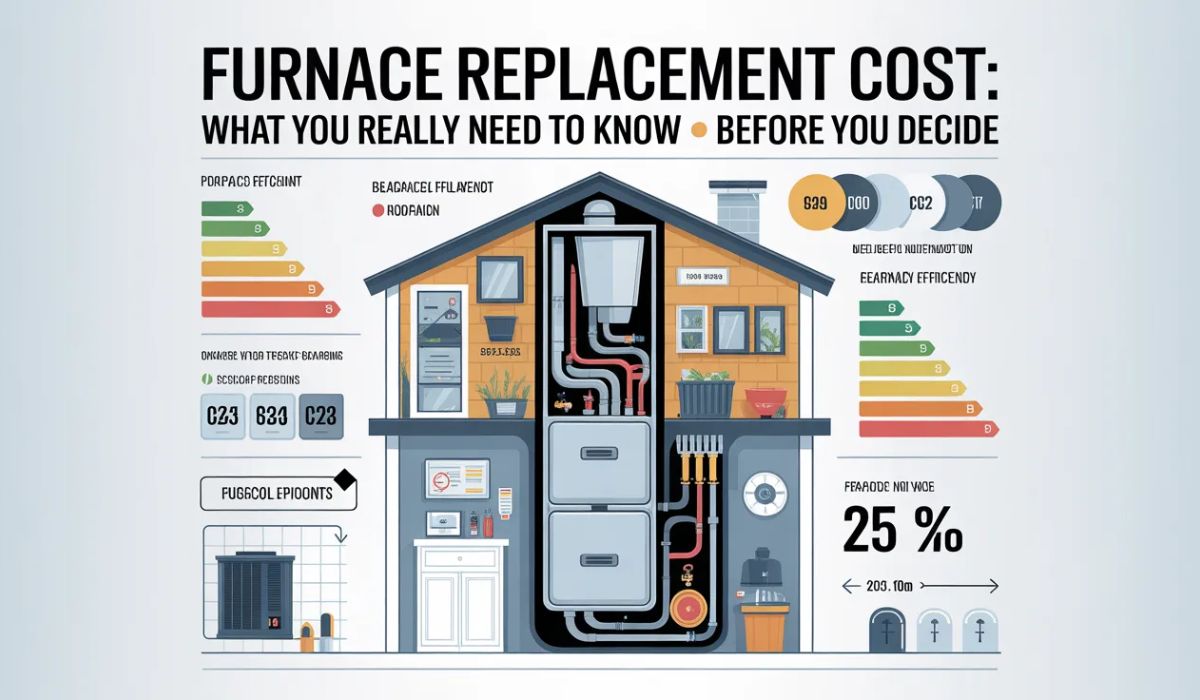
Furnace replacement means removing your old heating unit and installing a new one. It’s not just swapping boxes—it involves checking connections, airflow, safety systems, and making sure your home gets even heat.
Think of it like replacing a car engine. You’re not just paying for the engine itself but also the skilled work that makes everything run smoothly afterward.
Average Furnace Replacement Cost
So, what’s the big number everyone wants to know?
On average, furnace replacement cost typically falls between a few thousand to several thousand dollars, depending on your choices and situation. This usually includes the furnace unit, labor, and basic installation.
While that may sound like a lot, remember—you’re investing in comfort, safety, and reliable heat for many years.
Key Factors That Affect Furnace Replacement Cost
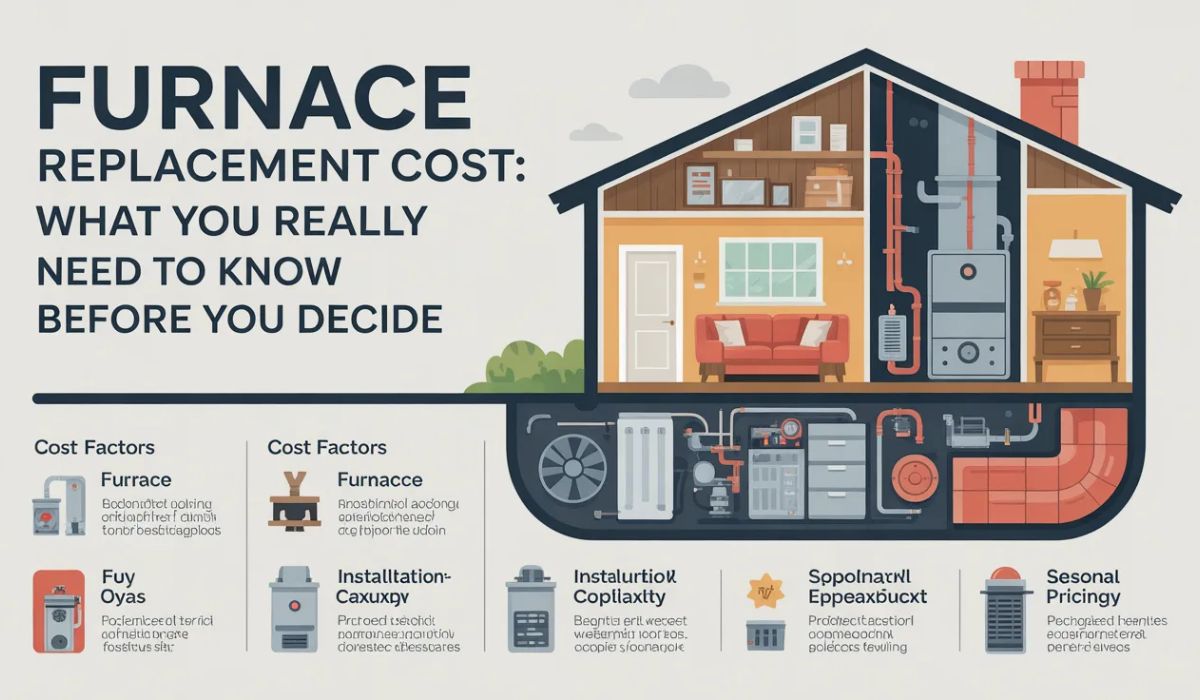
No two homes are exactly the same, and that’s why furnace prices vary. The main factors include:
-
Type of furnace
-
Size of your home
-
Energy efficiency rating
-
Labor and installation complexity
-
Local market rates
It’s like ordering coffee. A simple black coffee costs less than a customized latte with extras. The more features you add, the higher the cost.
Types of Furnaces and Their Costs
Gas Furnaces
Gas furnaces are popular because they heat quickly and are relatively affordable. Their replacement cost usually sits in the mid-range.
Electric Furnaces
Electric furnaces often cost less upfront but may lead to higher monthly energy bills.
Oil Furnaces
Oil furnaces are less common and may have higher fuel and maintenance costs.
Propane Furnaces
These work well in areas without natural gas but can be more expensive to operate.
Each type plays a big role in your overall furnace replacement cost, both now and over time.
Labor Costs Explained Simply
Labor isn’t just about time—it’s about expertise. Technicians ensure your furnace is installed safely and correctly.
Labor costs usually make up a significant portion of the total price. Skilled work reduces future problems, which saves you money in the long run.
Installation Complexity and Hidden Expenses
Some installations are straightforward. Others are not.
Extra costs may appear if:
-
Ductwork needs repair or resizing
-
Venting systems must be updated
-
Electrical or gas lines need changes
These aren’t always obvious at first, which is why quotes can vary.
Energy Efficiency and Long-Term Savings

High-efficiency furnaces cost more upfront, but they use less energy.
Think of it like buying LED bulbs. They cost more initially but save money month after month. Over time, energy-efficient furnaces can reduce heating bills and soften the impact of furnace replacement cost.
Signs It’s Time to Replace Your Furnace
Wondering if replacement is necessary? Watch for these signs:
-
Frequent repairs
-
Uneven heating
-
Strange noises
-
Rising energy bills
-
Furnace age over 15–20 years
If your furnace feels like it’s constantly asking for attention, replacement may be the smarter choice.
Repair vs Replacement: Which Is Better?
A good rule of thumb:
If repair costs are adding up and your furnace is old, replacement often makes more sense.
Repairing an old furnace can feel like patching a leaky roof during a storm—it works for now, but the problem keeps coming back.
How Location Impacts Furnace Replacement Cost
Where you live matters. Local labor rates, climate, and building codes all affect pricing.
Colder regions may require more powerful systems, which can increase furnace replacement cost compared to milder areas.
Permits, Inspections, and Extra Fees
Many areas require permits and inspections for furnace installation. These ensure safety and compliance with local rules.
While these fees add to the total cost, they protect you and your home.
Ways to Reduce Furnace Replacement Cost
You don’t have to overpay. Smart strategies include:
-
Getting multiple quotes
-
Choosing the right size furnace
-
Looking for seasonal discounts
-
Checking for rebates or incentives
A little research can lead to meaningful savings.
Financing and Payment Options
Many homeowners don’t pay everything upfront. Financing options, payment plans, or special offers can make furnace replacement more manageable.
Spreading the cost out often makes the decision easier and less stressful.
Choosing the Right Contractor
The cheapest quote isn’t always the best. Look for licensed, experienced contractors with good reviews.
A trustworthy installer ensures your furnace works efficiently and safely for years.
What to Expect on Installation Day

Installation usually takes one day. Technicians remove the old furnace, install the new one, test it, and explain how it works.
By the end of the day, your home should feel warm again—and that peace of mind is priceless.
Conclusion
While furnace replacement cost can feel intimidating, understanding the process makes it far less stressful. When you know what affects pricing, how to plan, and where you can save, the decision becomes clearer. A new furnace isn’t just an expense—it’s an investment in comfort, efficiency, and reliability for the years ahead.
Frequently Asked Questions (FAQs)
1. What is the average furnace replacement cost?
The average furnace replacement cost usually ranges from a few thousand to several thousand dollars, depending on the furnace type and installation needs.
2. How long does a furnace replacement take?
Most furnace replacements are completed within one day, assuming no major complications.
3. Can I reduce my furnace replacement cost?
Yes, by comparing quotes, choosing the right size furnace, and taking advantage of rebates or discounts.
4. Is a high-efficiency furnace worth the extra cost?
In many cases, yes. Higher efficiency can lower monthly energy bills and save money over time.
5. Should I repair or replace my old furnace?
If your furnace is old and needs frequent repairs, replacement is often the more cost-effective choice.
for more visit: urbannestle


 By
By