
Imagine waking up after a loud overnight storm. You step outside, coffee in hand, and there it is—your car covered in dents that weren’t there yesterday. Frustrating, right? Hail damage car issues are more common than most people think, and they often strike when you least expect them.
The good news is this: hail damage doesn’t have to ruin your day—or your car. In this guide, we’ll break everything down in simple language. No confusing terms. No mechanic talk. Just clear answers to the questions real people ask after a hailstorm.
What Is Hail Damage to a Car?
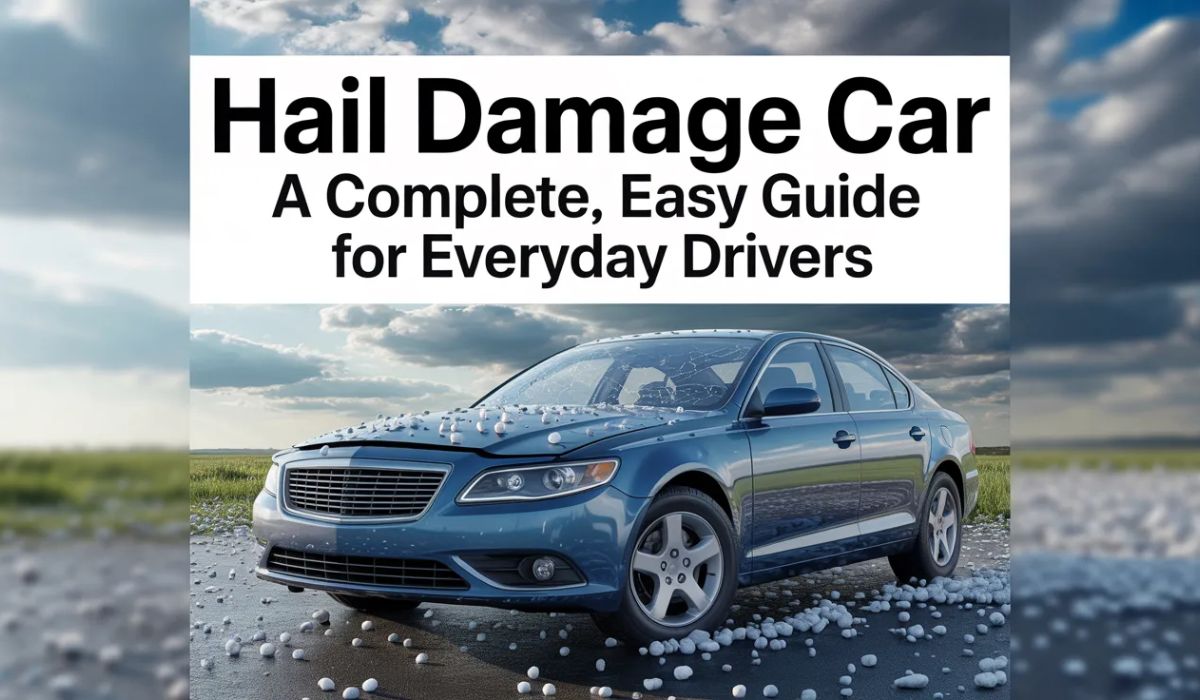
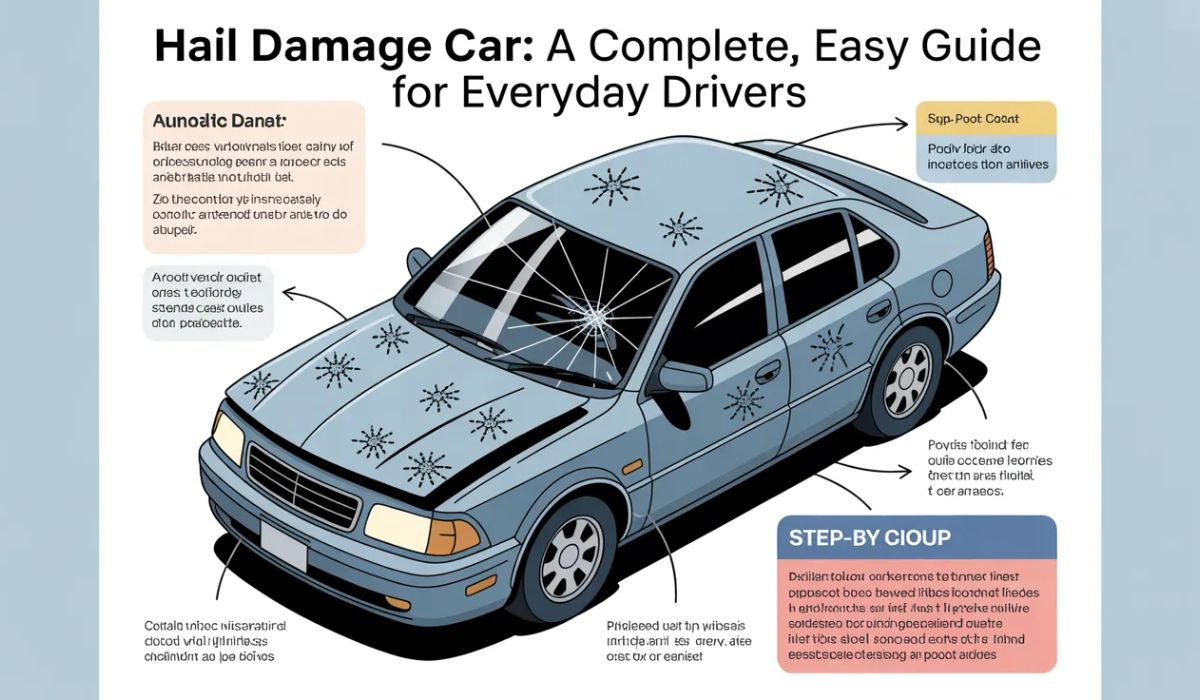
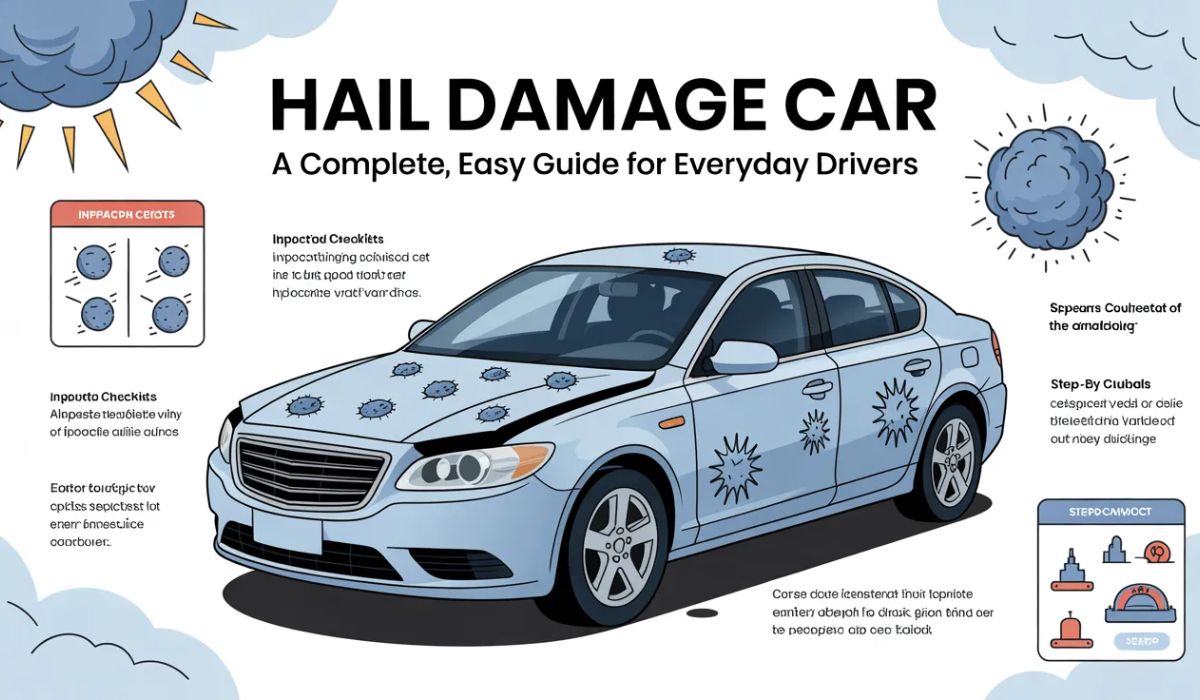
Hail damage car problems happen when chunks of ice fall from the sky and hit your vehicle. Depending on the size and speed of the hail, this can leave dents, cracks, chipped paint, or even broken glass.
Think of hail like nature throwing marbles—or sometimes baseballs—at your car. The harder and bigger they are, the more damage they cause.
How Hail Actually Damages Vehicles
Hail doesn’t just bounce off metal. When it hits:
-
Metal panels dent inward
-
Paint can crack or chip
-
Windshields may crack or shatter
-
Side mirrors and trim can break
Even small hail can add up if it hits the same spot multiple times.
Common Signs of Hail Damage Car Owners Miss
Some damage is obvious. Other signs hide in plain sight.
Easy-to-miss hail damage includes:
-
Small dents only visible in certain light
-
Tiny paint cracks that grow over time
-
Roof dents you won’t see from ground level
A good trick? Look at your car when the sun is low. Shadows make dents easier to spot.
Is Hail Damage Just Cosmetic?
Not always.
While many hail damage car issues are cosmetic, some can lead to bigger problems. Cracked paint can allow moisture in, which may cause rust later. Damaged seals around windows can also lead to leaks.
So yes, it might look harmless—but ignoring it can cost more down the road.
How Bad Can Hail Damage Get?
Hail damage ranges from mild to severe:
-
Light damage: Small dents, no paint damage
-
Moderate damage: Larger dents, chipped paint
-
Severe damage: Broken glass, deep dents, structural issues
In extreme storms, cars can even be declared a total loss.
What to Do Right After a Hailstorm
Your first steps matter.
After a hailstorm:
-
Check your car carefully
-
Take clear photos from multiple angles
-
Write down the date and location
-
Avoid quick fixes that hide damage
Treat it like documenting a spill before cleaning—it helps later.
Can You Still Drive a Hail-Damaged Car?
Usually, yes.
Most hail damage car situations don’t affect how the car drives. However, broken glass, damaged mirrors, or water leaks can make driving unsafe.
If visibility or safety is affected, don’t wait—get it checked.
Hail Damage and Car Insurance Basics
Many drivers don’t realize hail damage may be covered under certain insurance plans.
Typically:
-
Hail is considered a natural event
-
Coverage depends on your policy type
-
Claims usually require photos and inspection
Always review your policy so there are no surprises.
Repair Options for Hail Damage
Repair choices depend on the damage level.
Common options include:
-
Dent repair without repainting
-
Panel replacement for severe dents
-
Glass repair or replacement
The goal is restoring function and appearance without overdoing it.
Paintless Dent Repair Explained
Paintless dent repair (PDR) is popular for hail damage car fixes.
Why?
-
No repainting needed
-
Faster repair times
-
Keeps original factory paint
It’s like gently popping a dented lid back into shape instead of replacing the whole container.
When Hail Damage Lowers Car Value
Even small dents can affect resale value.
Buyers may:
-
Ask for a lower price
-
Worry about hidden issues
-
Walk away entirely
Repairing hail damage often protects long-term value.
reventing Future Hail Damage
You can’t control the weather—but you can prepare.
Helpful prevention tips:
-
Park in covered areas
-
Use padded car covers
-
Watch weather alerts
Preparation is like carrying an umbrella—you won’t regret it when it rains ice.
Parking Choices That Actually Matter
Where you park matters more than you think.
-
Garages offer the best protection
-
Carports help but aren’t perfect
-
Open parking leaves your car exposed
Even parking near buildings can reduce direct impact.
Hail Damage Myths People Believe
Let’s bust a few myths:
-
“Small hail can’t damage cars.” It can.
-
“Dents always mean repainting.” Not true.
-
“It’s not worth fixing.” Often, it is.
Knowing the facts saves time and money.
Final Thoughts on Protecting Your Car
A hail damage car situation can feel overwhelming, but it doesn’t have to be. With the right steps, repairs, and prevention, your car can bounce back—sometimes better than before.
Conclusion
Hail damage may show up suddenly, but dealing with it doesn’t need to be stressful. By understanding what to look for, what actions to take, and how to protect your car moving forward, you stay in control. Your car works hard for you—taking care of it after a storm is just part of the journey.
Frequently Asked Questions (FAQs)
1. What does hail damage look like on a car?
It usually appears as dents, chipped paint, cracked glass, or damaged trim.
2. Can small hail really cause car damage?
Yes, even small hail can dent panels or crack paint when falling at high speed.
3. Is hail damage car repair always necessary?
Not always, but repairs can prevent rust and protect resale value.
4. Can hail damage affect how my car drives?
Most hail damage is cosmetic, but broken glass or mirrors can affect safety.
5. How can I protect my car from future hailstorms?
Parking indoors, using car covers, and monitoring weather alerts help reduce risk.
for more visit: urbannestle


 By
By