
Replacing a furnace isn’t something most people plan for on a fun Saturday afternoon. It usually happens when your home is freezing, your furnace makes a scary noise, or the repair bill feels like throwing money into a bottomless pit. If you’re asking, “What is the furnace replacement cost, and why is it so expensive?”—you’re in the right place.
This guide breaks everything down in plain English. No confusing terms, no sales pressure. Just real information to help you understand costs, options, and how to avoid surprises. Think of it like a roadmap before a long trip—you’ll feel a lot better knowing what’s ahead.
What Is Furnace Replacement?
Furnace replacement means removing your old heating system and installing a brand-new one. This isn’t just swapping out a box—it involves proper sizing, safe removal, installation, and testing.
If your furnace is the heart of your home’s heating system, replacing it is like getting a heart transplant for your house. It’s a big deal, but when done right, it keeps everything running smoothly for years.
Average Furnace Replacement Cost
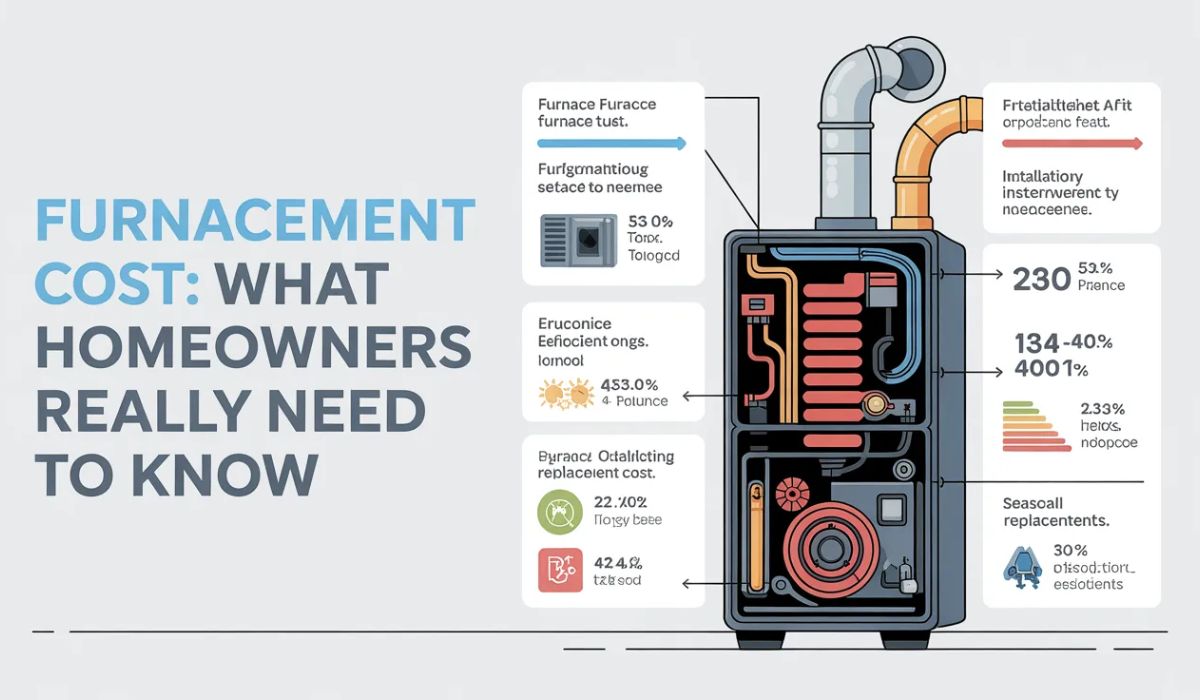
So, let’s talk numbers. The average furnace replacement cost typically falls between $3,000 and $7,500, including installation. High-end systems can go beyond $10,000, while basic models may cost less.
Why such a wide range? Because every home, furnace type, and installation situation is different. Your final cost depends on several factors we’ll cover next.
Factors That Affect Furnace Replacement Cost
Several things influence what you’ll actually pay. The biggest factors include:
-
Type of furnace
-
Size of your home
-
Energy efficiency rating
-
Installation complexity
-
Local labor rates
It’s a bit like buying a car—the base price is just the beginning.
Types of Furnaces and Their Costs
Gas Furnaces
Gas furnaces are the most common and usually cost between $3,500 and $8,000. They’re efficient and reliable for cold climates.
Electric Furnaces
Electric units are cheaper upfront, often $2,000 to $5,000, but they can cost more to run.
Oil Furnaces
Less common today, oil furnaces typically range from $5,000 to $9,000 due to higher installation needs.
Each type comes with trade-offs between upfront cost and monthly energy bills.
Furnace Size and Home Square Footage
Bigger isn’t always better. A furnace must be properly sized for your home. Too small, and it works overtime. Too big, and it cycles on and off, wasting energy.
Larger homes usually mean higher furnace replacement costs, but correct sizing saves money long-term.
Installation and Labor Costs
Labor often makes up 30% to 50% of the total furnace replacement cost. Installation complexity matters—tight spaces, old ductwork, or upgrades can raise the price.
This is one area where cutting corners can cost you more later, so quality installation really matters.
Energy Efficiency and Long-Term Savings
High-efficiency furnaces cost more upfront but save money over time. Look for AFUE ratings—higher numbers mean better efficiency.
Think of it like buying a pricier refrigerator that uses less electricity. You pay more now, but your utility bills thank you later.
Additional Costs Homeowners Often Miss
Some hidden or unexpected costs may include:
-
Ductwork repairs
-
Thermostat upgrades
-
Permits and inspections
-
Vent or chimney modifications
Always ask for a detailed quote so you’re not caught off guard.
Repair vs Replacement: Which Makes Sense?
A good rule of thumb: if repair costs exceed 50% of the furnace replacement cost, replacement is usually smarter.
Also consider age. Furnaces older than 15–20 years often cost more to keep running than they’re worth.
When Is the Best Time to Replace a Furnace?
The best time is usually spring or fall, when HVAC companies are less busy and may offer discounts.
Replacing a furnace in the middle of winter often means higher costs and fewer options.
How to Lower Your Furnace Replacement Cost
You can reduce costs by:
-
Getting multiple quotes
-
Choosing the right efficiency level
-
Asking about seasonal promotions
-
Looking into rebates and tax credits
A little homework can save you thousands.
Choosing the Right Contractor
The cheapest quote isn’t always the best. Look for licensed, insured contractors with good reviews.
A trustworthy installer will explain options clearly and never pressure you into upgrades you don’t need.
Financing, Rebates, and Tax Credits
Many homeowners don’t realize how much help is available. Options may include:
-
Utility rebates
-
Manufacturer discounts
-
Federal tax credits
-
Financing plans
These can significantly lower your furnace replacement cost.
Signs You Need a New Furnace
Common warning signs include:
-
Uneven heating
-
Strange noises
-
Rising energy bills
-
Frequent repairs
-
Furnace age over 15 years
If your furnace is acting like an old car that keeps breaking down, it might be time.
What to Expect on Installation Day
Installation usually takes one full day. Technicians will remove the old unit, install the new furnace, test everything, and explain how it works.
There may be some noise and disruption, but by evening, your home should feel warmer and more comfortable.
Conclusion
Understanding furnace replacement cost takes away a lot of the stress that comes with a failing heating system. While replacing a furnace isn’t cheap, it’s often a smart investment in comfort, safety, and energy savings. With the right planning, contractor, and timing, you can make a confident decision that keeps your home warm for years to come.
Frequently Asked Questions (FAQs)
1. What is the average furnace replacement cost in the U.S.?
Most homeowners pay between $3,000 and $7,500, depending on furnace type and installation needs.
2. How long does a furnace replacement take?
In most cases, installation is completed in one day.
3. Can I replace just the furnace without changing ductwork?
Yes, if the ductwork is in good condition, but upgrades may be recommended.
4. Is a high-efficiency furnace worth the extra cost?
For many homeowners, lower energy bills over time make it worth it.
5. How often should a furnace be replaced?
Most furnaces last 15 to 20 years with proper maintenance.
for more visit: urbannestle


 By
By