
Your credit score can feel like a mysterious number that controls big parts of your life. Want a loan? Credit score. Renting an apartment? Credit score. Even some jobs check it. No pressure, right?
If you’ve come across gomyfinance.com credit score, you’re probably looking for a clear, no-nonsense way to understand what your score means and how to improve it. Good news—you’re in the right place. Think of your credit score like a financial report card. It doesn’t define who you are, but it does show how you’ve handled money so far.
Let’s break it all down in simple language, without the confusion.
What Is GoMyFinance.com Credit Score?
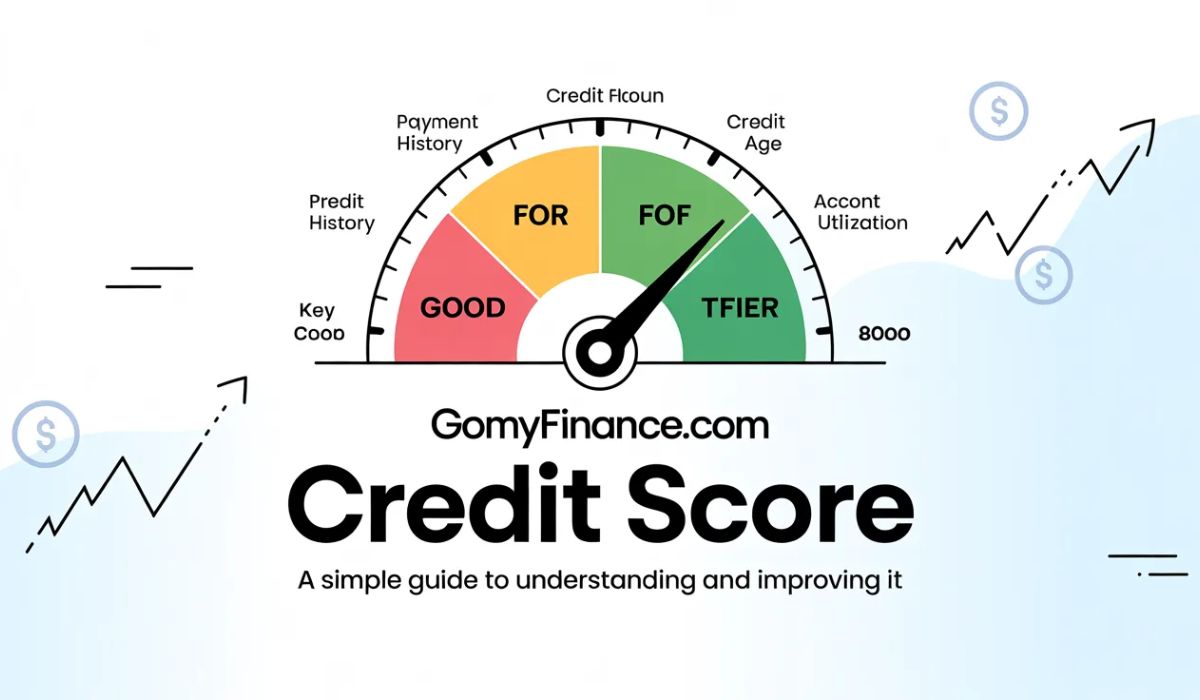
The gomyfinance.com credit score is a tool that helps you understand your personal credit standing. It pulls together information from your credit activity—like payments, balances, and account history—and turns it into a simple number.
Instead of guessing where you stand financially, this platform gives you a snapshot of your credit health. It’s like stepping on a scale—not always fun, but very useful.
Why Your Credit Score Really Matters
Ever wonder why lenders care so much about your credit score? It’s because that number tells a story. A higher score suggests reliability. A lower score raises questions.
Your credit score can affect:
-
Loan approvals
-
Interest rates
-
Credit card limits
-
Renting options
In short, it can either open doors or make things harder than they need to be.
How GoMyFinance.com Helps You Track Your Credit
One of the biggest advantages of gomyfinance.com credit score tools is clarity. Instead of complex charts, you get straightforward insights into what’s helping or hurting your score.
You can monitor changes, spot issues early, and stay informed without feeling overwhelmed. Knowledge really is power here.
Understanding Credit Score Ranges
Credit scores usually fall into these general ranges:
-
Excellent
-
Good
-
Fair
-
Poor
Each range signals different levels of risk to lenders. The goal isn’t perfection—it’s progress. Even small improvements can make a big difference over time.
What Affects Your Credit Score the Most
Several factors influence your credit score, but not all carry equal weight. Understanding these helps you focus your effort where it counts.
Think of your score like a recipe. Miss one key ingredient, and the whole dish changes.
Payment History: The Biggest Factor
Your payment history is the star of the show. Paying bills on time tells lenders you’re dependable. Late or missed payments do the opposite.
Even one missed payment can hurt, but consistent on-time payments can slowly rebuild trust.
Credit Usage and Why Balance Matters

Credit usage refers to how much of your available credit you’re using. High balances can signal risk, even if you pay on time.
A good rule? Keep balances low and manageable. It’s like carrying groceries—you don’t want to overload the bag.
Length of Credit History Explained
The longer you’ve used credit responsibly, the better it looks. Older accounts show experience and stability.
That’s why closing old accounts can sometimes hurt more than help.
Credit Mix and New Credit Accounts
Having a mix of credit types—like cards and loans—can help your score. But opening too many new accounts at once can be a red flag.
Balance is key. Slow and steady wins here.
How Often Should You Check Your Credit Score?
Checking your credit score regularly helps you stay on top of changes. Using gomyfinance.com credit score, you can monitor progress without stress.
Don’t obsess daily, but don’t ignore it either. Monthly check-ins work well for most people.
Common Credit Score Myths You Should Ignore
Let’s clear up some confusion:
-
Checking your own score does not hurt it
-
Carrying debt isn’t required to build credit
-
You don’t need to be rich to have good credit
Believing myths can lead to bad choices, so stick to facts.
How to Improve Your GoMyFinance.com Credit Score
Improving your score isn’t magic—it’s habit. Focus on:
-
Paying on time
-
Lowering balances
-
Avoiding unnecessary new credit
Small steps, repeated consistently, add up.
Mistakes That Can Hurt Your Credit Score
Common mistakes include:
-
Missing payments
-
Maxing out credit cards
-
Ignoring credit reports
Awareness helps you avoid these traps before they cause damage.
How Long It Takes to See Credit Score Changes

Credit improvement takes patience. Some changes show up in weeks, others take months.
Think of it like fitness. One workout doesn’t change much, but consistency does.
Using Credit Wisely for Long-Term Success
A good credit score isn’t just about borrowing—it’s about freedom. Lower interest rates, more options, and less stress all come with smart credit habits.
Using gomyfinance.com credit score tools can help you stay on track for the long run.
Conclusion
Understanding your gomyfinance.com credit score doesn’t have to be intimidating. With clear insights, smart habits, and patience, you can take control of your financial future. Remember, your credit score is a tool—not a judgment. Use it wisely, and it can work in your favor.
FAQs
1. What is gomyfinance.com credit score used for?
It helps you track, understand, and improve your credit standing in a simple way.
2. Does checking my credit score on GoMyFinance.com lower it?
No, checking your own score does not negatively affect your credit.
3. How often should I review my credit score?
Once a month is a good habit for most people.
4. Can I improve my credit score quickly?
Some improvements happen fast, but lasting changes take time and consistency.
5. Is gomyfinance.com credit score good for beginners?
Yes, it’s designed to be easy to understand, even if you’re new to credit.
for more visit: urbannestle


 By
By